
Tired of Dandruff ? Learn the solution
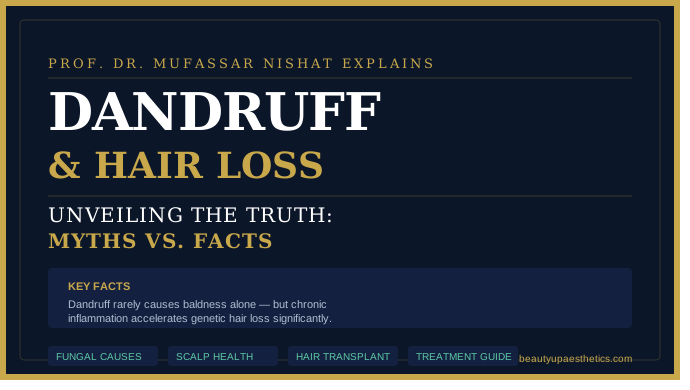
Dandruff and Hair Loss: Causes, Treatments, and When to See a Specialist
Dandruff is one of the most common scalp conditions in the world — and in Pakistan, it is often dismissed as a minor inconvenience. But left untreated, chronic dandruff can damage your scalp environment, weaken hair follicles, and contribute to long-term hair thinning. This guide breaks down exactly what dandruff is, why it happens, how to treat it, and when it may be time to consult a hair specialist.
What Is Dandruff?
Dandruff (also called Seborrhoeic Dermatitis in its more severe form) is a condition where the scalp sheds dead skin cells at an abnormally high rate, producing visible white or yellowish flakes. It is not a hygiene problem — it is a biological and often fungal one.
The primary trigger is a yeast-like fungus called Malassezia, which naturally lives on everyone’s scalp. In some individuals, it grows excessively and irritates the scalp, causing rapid skin cell turnover and flaking.
Common Causes of Dandruff
- Fungal Overgrowth (Malassezia): The most common cause. Triggered by excess scalp oil, heat, and humidity — all very common in Pakistan’s climate.
- Oily Scalp (Seborrhoea): Excess sebum production creates a feeding ground for the Malassezia fungus, worsening flaking and irritation.
- Dry Scalp: Unlike oily dandruff, dry scalp produces smaller, whiter flakes and is often worsened by hard water or frequent use of harsh shampoos.
- Stress and Poor Sleep: High cortisol levels from chronic stress disrupt the scalp’s natural balance, making dandruff harder to control.
- Dietary Deficiencies: Low zinc, B-vitamins, and omega-3 fatty acids are linked to a weakened scalp barrier and increased flaking.
- Infrequent Washing: Allowing oil and dead skin cells to accumulate on the scalp creates the ideal environment for fungal growth.
Can Dandruff Cause Hair Loss?
This is one of the most searched questions on this topic — and the answer is yes, indirectly.
Dandruff itself does not destroy hair follicles. However, the chronic inflammation and itching it causes leads to:
- Scratching damage: Repeated scratching weakens the hair shaft and can damage follicles near the surface.
- Scalp inflammation: Persistent inflammation disrupts the hair growth cycle, pushing follicles into the resting (telogen) phase prematurely — a condition called Telogen Effluvium.
- Accelerated genetic hair loss: If you are already genetically predisposed to hair loss (androgenetic alopecia), an unhealthy scalp will accelerate the thinning process significantly.
In short — dandruff does not cause baldness on its own, but it creates conditions that make existing hair loss much worse.
How to Treat Dandruff Effectively
1. Use a Medicated Anti-Dandruff Shampoo
Look for shampoos containing one or more of the following active ingredients:
- Ketoconazole (e.g., Nizoral): An antifungal that directly targets Malassezia. Most effective for fungal dandruff.
- Zinc Pyrithione: Reduces fungal and bacterial growth on the scalp. Found in many OTC shampoos.
- Selenium Sulphide: Slows down skin cell turnover and reduces oiliness.
- Salicylic Acid: Helps remove scale buildup from the scalp surface.
- Coal Tar: Slows skin cell production; effective but has a strong smell.
Tip: Use the medicated shampoo 2–3 times per week. Leave it on the scalp for 3–5 minutes before rinsing for full effect.
2. Maintain a Consistent Washing Routine
Washing your hair every 2–3 days prevents oil and dead skin buildup. Avoid going more than 4 days without washing if you have an oily scalp.
3. Improve Your Diet
Increase your intake of zinc (found in meat, seeds, legumes), B-vitamins (eggs, leafy greens), and omega-3 fatty acids (fish, walnuts, flaxseed). A well-nourished scalp is significantly more resistant to fungal conditions.
4. Manage Stress
Chronic stress is a well-documented trigger for dandruff flare-ups. Regular sleep, light exercise, and reducing screen time before bed all help regulate cortisol levels and improve scalp health.
5. Avoid Harsh Styling Products
Heavy gels, waxes, and sprays can clog scalp pores and worsen flaking. If you use styling products regularly, make sure to wash them out thoroughly the same day.
When Dandruff Leads to Permanent Hair Loss
If dandruff has been chronic and untreated for years, and you are also noticing a receding hairline or thinning on the crown, the issue may have progressed beyond what shampoo alone can fix. In these cases, the underlying cause is often Androgenetic Alopecia — genetic hair loss that has been accelerated by prolonged scalp inflammation.
At this stage, the most effective long-term solution is a hair transplant consultation. During a consultation at Beauty Up Aesthetics, our specialists assess your scalp health, the degree of follicle damage, and whether medical management or a hair transplant procedure is the right path for you.
Frequently Asked Questions
Is dandruff contagious?
No. Dandruff is not contagious. It is caused by your own scalp’s reaction to naturally occurring fungi — it cannot be passed from person to person through contact or shared items.
Does dandruff go away on its own?
Mild dandruff can sometimes improve with better hygiene and diet. However, fungal dandruff caused by Malassezia rarely resolves without a medicated shampoo. Without treatment, it typically worsens over time — especially in humid climates.
Can I use coconut oil to treat dandruff?
Coconut oil has mild antifungal properties and can soothe a dry, irritated scalp. However, it is not effective against Malassezia-driven dandruff and can actually worsen oily dandruff by adding more sebum to an already oily scalp. Use it cautiously, and only if you have a dry scalp type.
How long does it take for dandruff treatment to work?
Most medicated shampoos show noticeable improvement within 2–4 weeks of consistent use. If there is no improvement after 4 weeks, you should consult a dermatologist or hair specialist, as you may need a prescription-strength treatment.
Can dandruff permanently damage hair follicles?
In most cases, no. Dandruff-related hair shedding is usually temporary and reversible once the scalp is treated. However, if severe inflammation persists for years and is combined with genetic hair loss, some follicle miniaturization can become permanent — making early treatment critical.
When should I consider a hair transplant for dandruff-related hair loss?
If you have visible thinning or a receding hairline that has not improved after treating the dandruff, you may be a candidate for a hair transplant. The first step is a free consultation with a specialist who can assess whether your follicles are still viable or whether transplantation is the best option.
Expert Tip: If you are experiencing thick scabs or noticeable thinning alongside flakes, do not self-medicate. A professional assessment of your scalp status is necessary to ensure you aren’t trading your dandruff for permanent hair loss.
To learn more about clinical dandruff treatments and scalp health, watch the full guide from Prof. Dr. Mufassar here.
Struggling with dandruff or noticing hair thinning? Book a consultation with our specialists at Beauty Up Aesthetics for a personalized scalp and hair assessment.